
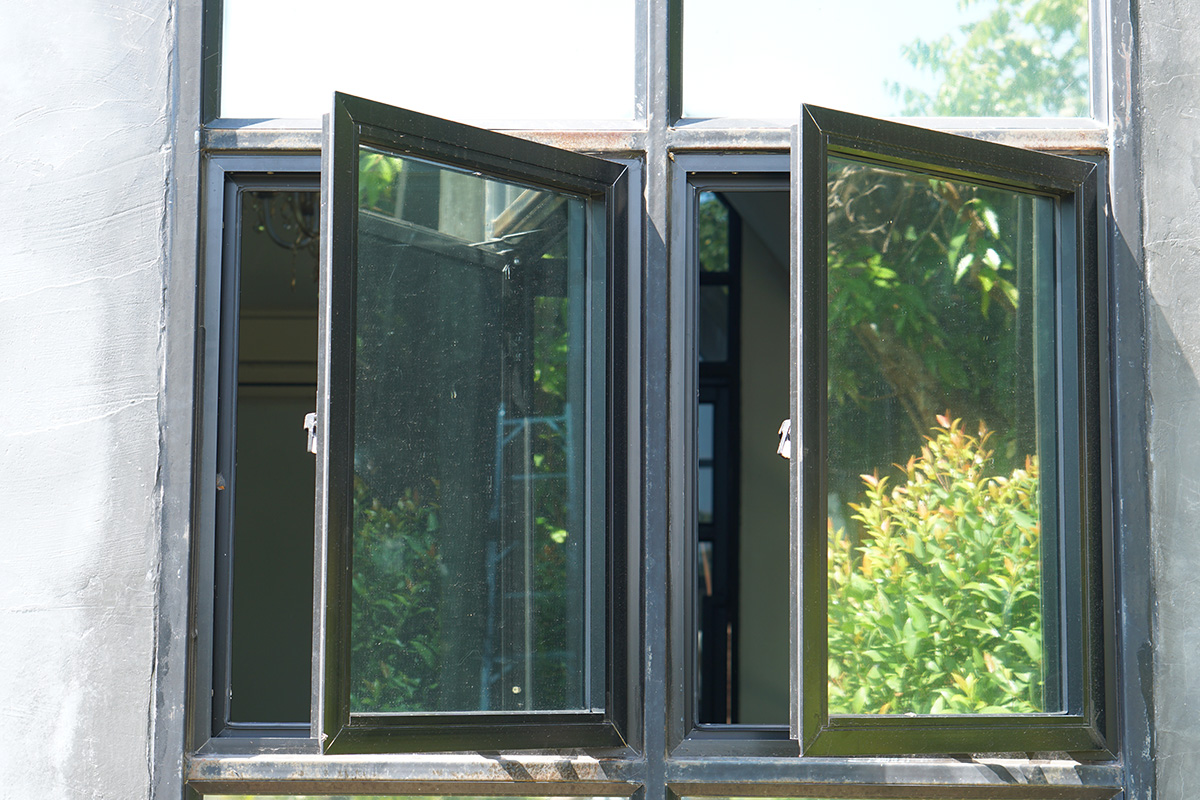
If your house feels chilly in winter and excessively warm in summer, while your energy costs keep rising, there’s a high chance that your windows are subtly exhausting your finances. Windows do more than outline the scenery; they are essential to your home’s “thermal envelope,” the barrier that retains pleasant air inside and blocks outside weather. When that barrier is ineffective, your HVAC system operates more intensively, for longer periods, and more frequently. What can be done? Replacing outdated or inefficient windows can be among the most effective ways to minimize energy loss and enhance comfort year-round.
In this blog post, we will outline precisely how replacing windows can lead to savings, which features are most important, and when it’s time for an upgrade.
Why Old Windows Cost You More Than You Think
There are many ways that cause energy loss:
- Air leaks (drafts): Over time, frames may shift, seals can deteriorate, and weatherstripping may wear out. Even tiny openings permit warm or cool air to leak out, making your furnace or air conditioner work harder to “catch up”.
- Ineffective insulation: Old windows (particularly single-pane) are poor insulators. Heat naturally moves toward cooler regions, indicating that indoor warmth persists during winter while outdoor warmth enters during summer.
- Solar heat accumulation: During hot months, sunlight can turn rooms into greenhouses, particularly with clear glass that poorly controls solar gain.
These problems not only affect comfort but also show up in your monthly utility bills.
Better Insulation = Lower Heating and Cooling Loads
Today’s replacement windows are designed to minimize heat transfer. Here’s the method they use:
- Double or triple glazing: Two or three layers of glass create insulating air gaps that significantly outperform single-pane windows.
- Low-E coatings: Low-emissivity coatings reflect warmth while still allowing natural light to enter. During chilly seasons, Low-E helps retain indoor heat. During hot seasons, it helps reduce the influx of unnecessary heat.
- Gas fills (argon/krypton): Numerous high-efficiency windows utilize inert gases between the glass layers to further reduce heat transfer.
When your windows provide better insulation, your home stays more stable, which means your HVAC system runs less often and consumes less energy.
Airtight Seals Stop Drafts and “Hidden” Energy Waste
The cause of energy loss may not be limited to the glass; air movement may also be a factor. Poor seals or improper installation are usually the cause of drafts near windows. Such leaks can be reduced by replacing the windows and installing proper hardware, weatherstripping, and secure construction.
As a result, you get a home that feels more balanced and cozy: reduced cold areas in winter and less intense heat in summer. Comfort is enhanced right away, and your thermostat isn’t overworked to maintain the set temperature.
Modern Frames Make a Big Difference
Individuals often focus on the glass, yet the frames are equally important. Ageing frames may become warped or cracked, allowing thermal bridging and letting heat transfer through the frame material.
High-efficiency replacement windows use innovative frame designs and materials to minimize energy transfer. Many homeowners are opting for alternatives such as thermally enhanced aluminum systems or other energy-efficient frame designs that combine resilience with enhanced insulation, particularly beneficial in regions with drastic temperature fluctuations.
Window Replacement Helps Your HVAC Last Longer
Homeowners not only benefit from reduced energy consumption. Inefficient windows put more pressure on your HVAC system, causing it to operate more frequently and under greater stress. This may result in:
- Frequent need for repairs,
- Short equipment lifespan,
- And reduced effectiveness over time.
By minimizing drafts and regulating indoor temperatures, replacement windows can reduce strain on your furnace and air conditioner, potentially saving you on maintenance costs and delaying replacement expenses.
Signs You’re Due for Replacement
Unsure if your windows are the cause? Below are some typical hints:
- Evident breezes around the frame or sill
- Moisture buildup between panes (indicative of seal failure)
- Rooms that are consistently warmer or cooler than the rest of the home
- Trouble with opening/closing windows
- Increasing energy costs, lacking an alternative, clear reason
- Evident frame impairment, decay, or distortion
If you notice any of these causes, it’s advisable to get a professional evaluation.
Choosing Energy-Saving Windows: What to Look For
To enhance savings, prioritize performance over just looks:
- Effective glazing: Double- or triple-glazing with Low-E coatings is an ideal standard.
- Quality certifications and fittings: Robust locking mechanisms and secure weather seals help minimize air leaks.
- Frame efficiency: Look out for thermally efficient building methods that minimize heat transfer.
- Expert installation: No matter how high-quality a window is, it will not function properly if installed incorrectly. Correct sealing, insulation, and fitting are crucial.
At Window Star, we assist homeowners in choosing contemporary window systems designed for energy efficiency, lasting performance, and daily comfort, then install them with the accuracy required to safeguard your investment.
What You Can Expect: Combining Savings, Comfort and Value
Energy savings differ based on the home, window style, and regional climate, although the advantages are usually experienced in three main ways:
- Reduced monthly heating and cooling costs
- Greater uniformity in indoor comfort
- Enhanced resale attractiveness and long-lasting value
Consider window replacement a “subtle enhancement”. It might not grab your attention like a new kitchen, but you’ll appreciate it each time you pass a window in winter without experiencing a cold draft.
Ready to Take Care of Your Increased Energy Bills?
If your windows are old or not functioning well, replacing them can be a wise choice for comfort and future savings. Window Star helps you select window options tailored for real Canadian weather, so you can find a solution that enhances your home’s efficiency year after year.
FAQs
- How long will it take for window replacement?
Window replacements in most homes can be completed in 1 to 2 days, depending on the number of windows and accessibility. Typically, each window requires approximately 60–120 minutes, which encompasses sealing, insulation, and cleanup. - Do new windows also minimize external noise?
Certainly. Enhanced glazing, improved seals, and insulated frames can significantly reduce traffic and local noise. To achieve optimal results, select thicker glass, multiple-pane units, and expert installation. - Should I replace all the windows at once?
Not always. Numerous homeowners prioritize replacing the most leaky or sun-exposed windows initially. A gradual method distributes expenses while enhancing comfort, particularly in bedrooms, living areas, and basements. - Is window replacement eligible for rebates or incentives?
Occasionally. Rebates vary by province, utility initiatives, and window performance ratings. Review existing local initiatives and retain invoices and product specifications for potential eligibility and documentation purposes. - What distinguishes retrofit from full-frame replacement?
Retrofit utilizes the current framework, is quicker, and is less invasive. Full-frame eliminates all components to address rot, shifting, or inadequate insulation, enhancing performance but requiring increased labour and interior trim work. - What steps can I take to upkeep energy-efficient windows for optimal savings?
Seasonally clean tracks and glass, check weatherstripping, and lubricate hardware each year. Maintain drainage ditches and avoid using strong chemicals. Quickly tackle condensation or adhesion to avoid damage to the seal.



