
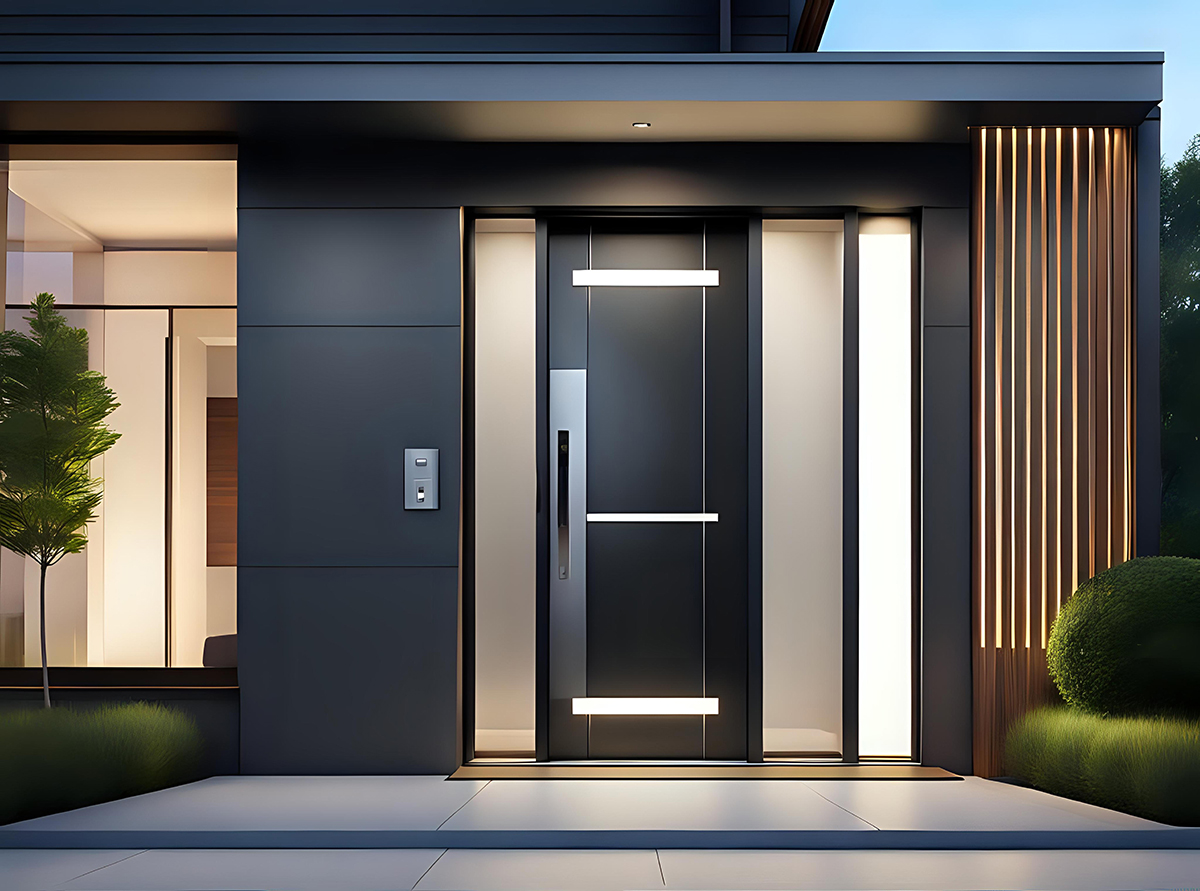
Your front door is more than just an entry to your home; it serves as a boundary between the external environment and the place you call home. It creates first impressions, safeguards what matters most, and quietly influences your everyday comfort.
When choosing an entry door, many homeowners often look at the obvious aspects:
- How does the door look?
- How much does it cost?
- How secure does it feel?
While these factors do matter, they only provide a partial understanding of the story. As time passes, concerns about durability, energy efficiency, maintenance, and climate performance arise, particularly in regions that experience extreme weather.
In fact, the right door isn’t merely about aesthetics; it’s about how the door performs over time. It must enhance your home, withstand local conditions, and have maintenance requirements that align with your lifestyle.
Making an informed decision is all that matters. This blog post examines fiberglass, steel, and wood doors: their advantages and disadvantages, and introduces a modern alternative designed to cater to modern homes. Choosing the right entry door goes beyond what works right now; it is about what will remain effective even in the future.
Fiberglass, Steel, and Wood Doors: A Fair Comparison
Each of these materials presents unique benefits. The crucial aspect is recognizing their strengths and identifying areas where they might underperform over time.
Fiberglass Doors
One of the most preferred choices of homeowners for entry doors is fiberglass doors. These often mirror the appearance of wood doors. They are also easy to maintain and offer moderate energy efficiency due to their insulated cores.
Pros:
- Warp and crack-resistant
- Minimal maintenance compared to wood
- Adequate insulation performance
Cons:
- May fade or lose finish over time
- Does not look as authentic as real wood
- Superior quality fiberglasses door may be costly
Steel Doors
Steel doors are known for their durability and cost-effectiveness. They are a popular option for homeowners looking for a budget-friendly, secure door.
Pros:
- Strong and resistant to impact
- Affordable
- Provides good insulation if manufactured properly
Cons:
- Susceptible to dents and surface damage
- Can corrode if the protective layer is damaged
- Limited design adaptability
Wood Doors
Wooden doors provide a classic appearance that many homeowners appreciate. They provide natural warmth and personality, making them a favoured choice for classic or high-end homes.
Pros:
- Rich, natural look
- Close attention to detail in craftsmanship
- Strong visual appeal
Cons:
- Requires frequent maintenance
- Moisture and temperature-sensitive
- Higher initial and ongoing expenses
The Limitations That Appear Over Time
Although fiberglass, steel, and wood doors may function effectively at first, their drawbacks often become apparent over time, especially if you live in a region with harsh weather.
Fiberglass
Fiberglass doors are convenient, but choosing affordable versions may surface signs of wear over time. Higher-quality choices, although durable, come at a price comparable to many other sophisticated material alternatives.
Steel
Steel doors are durable, yet not resistant to routine wear and tear. Dents are challenging to repair, and any damage to the surface layer can lead to rusting, especially in regions where moisture or snow are prominent.
Wood
Wood is reactive to changes in moisture and temperature. Eventually, this can cause swelling, shrinking, or warping, impacting how your entry door looks or performs.
Thermal Break Aluminum Doors: A Smarter Alternative
As homeowners’ expectations change, the need for materials that provide lasting performance, energy efficiency, and align with modern aesthetics also changes. This is where thermal break aluminum doors excel.
In contrast to traditional materials, these doors are designed to address the typical problems linked to wood, steel, and fiberglass.
Energy Efficiency That Makes a Difference
Thermal break aluminum doors feature an insulated barrier in the frame that reduces heat transfer. This maintains indoor comfort and minimizes energy loss, an important advantage for Canadian residences during cold winters and fluctuating seasonal temperatures.
Durability You Can Rely On
Aluminum naturally withstands warping, cracking, and corrosion. It retains its structure and look even under severe weather conditions, making it one of the most reliable materials for long-term use.
Clean, Modern Aesthetics
Modern aluminum doors are crafted with a focus on minimalism and sophistication. Their sleek designs and elegant finishes enhance modern architecture while improving curb appeal.
Instead of providing limitless customization, these doors come in thoughtfully designed styles that fit various homes while ensuring consistent quality and performance.
Low Maintenance, High Convenience
One of the greatest benefits of aluminum doors is that they are hassle-free in maintenance. Compared to wood, they do not require sealing or refinishing. Compared to steel, they are not prone to rusting. An easy cleaning routine is enough to maintain their fresh appearance.
Built for Canadian Conditions
The weather in Canada demands more construction materials. Entry doors need to function reliably over the long term, whether they protect you and your family from freezing temperatures or moisture.
Thermal break aluminum doors are tailored for such environments, providing stability, insulation, and longevity while avoiding the typical problems associated with traditional materials.
Making the Right Choice for Your Home
Selecting an entry door for your home is not as simple as picking one only because they look aesthetically pleasing. It becomes important to understand how they will perform in the future. Although materials like fiberglass, steel, and wood offer unique advantages, they often come with flaws that become more noticeable over time.
For those seeking a solution that integrates performance, longevity, and modern design, thermal break aluminum offers a balanced option that meets the needs of today’s homeowners.
Conclusion
Besides the awe-inspiring looks of your entry door, it should also perform well throughout different climate conditions, while requiring minimal maintenance. Choosing the right door saves you time, effort and future costs.
Window Star specializes in high-performance, European-style thermal break aluminum doors designed for modern homes, especially for consistent performance in Canadian weather. Are you looking for entry doors that are reliable and energy-efficient? Reach out to our team so we can discuss your requirements and guide you through the process of making the right decision.
FAQs
- What is the best material for an entry door in Canada?
The ideal material for Canadian homes is one that can withstand harsh temperatures and humidity. Thermal break aluminum doors are a durable option due to their outstanding insulation, longevity, and resistance to rust and warping. - In what ways do thermal break aluminum doors enhance energy efficiency?
Thermal break aluminum doors feature an insulating barrier in the frame that minimizes heat transfer. This aids in regulating indoor temperatures and can reduce heating and cooling expenses year-round. - Are aluminum entry doors superior to steel or wooden doors?
Aluminum doors provide greater durability and demand less upkeep compared to steel or wood. In contrast to steel, they don’t rust or get dented easily, and unlike wood, they don’t warp or need regular maintenance. - What kind of maintenance do aluminum doors need?
Aluminum doors require minimal upkeep. They require no repainting, sealing, or special care, only regular cleaning to maintain their appearance and functionality. - What is the lifespan of aluminum entry doors?
Durable, high-quality aluminum doors are built to last for many years. Their durability against weather, corrosion, and structural alterations makes them a trustworthy long-term investment. - Are aluminum doors appropriate for modern home designs?
Indeed, aluminum doors are perfect for modern residences. Their slim designs, sleek contours, and modern finishes enhance modern architecture while boosting curb appeal.



