
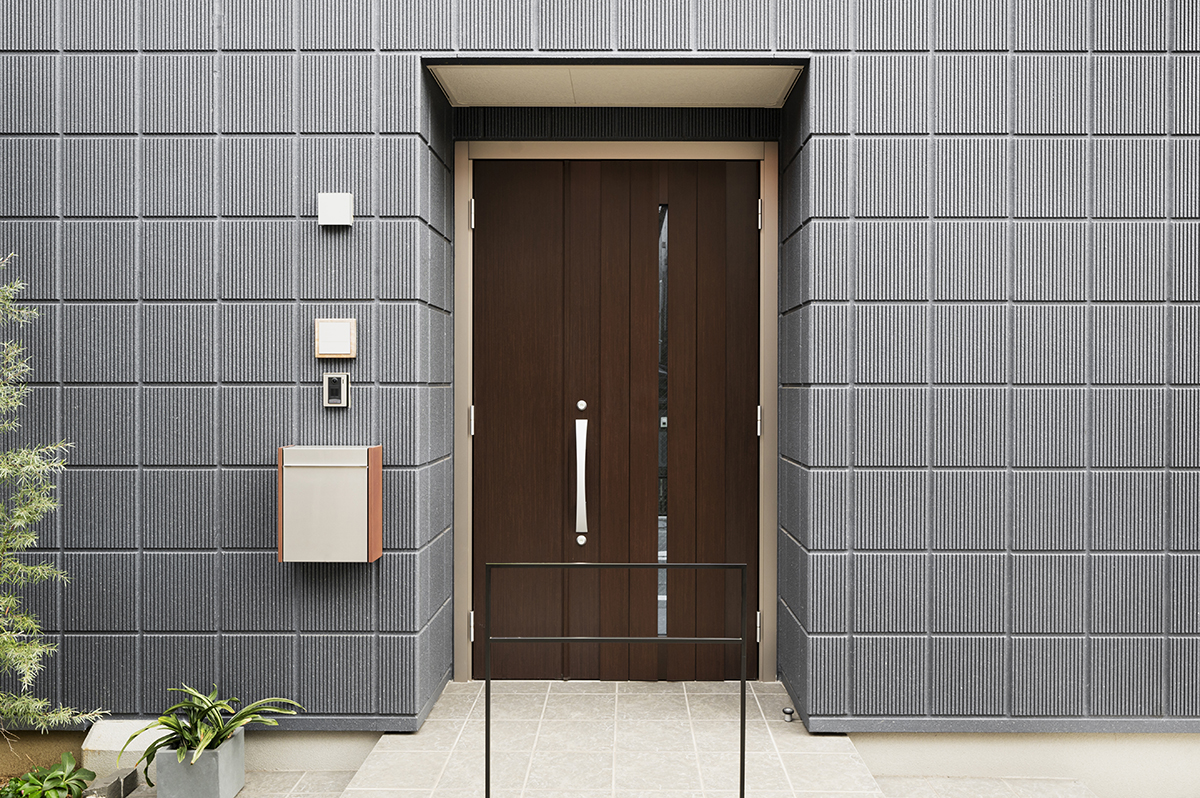
When people think about doors, they usually picture style (glass panels, sleek frames, maybe a bold front entry). But there’s something even more important happening behind the scenes: the width of the door.
It’s one of those decisions you don’t notice until it’s wrong.
Too narrow, and suddenly moving furniture feels like a puzzle. Too wide, and your space can feel awkward or lose efficiency. That’s why getting the width right from the start matters more than most people realize.
At Window Star, we’ve been helping homeowners and builders get these details right for the past two decades. So let’s walk through this in a simple, real-world way; no jargon, just what actually works.
Why Door Width is a Bigger Deal Than You Think
Consider how many times you open a door each day. Now suppose that the door was somewhat narrower, or a little wider, what difference would that make?
Door width affects:
- How comfortable your space feels
- How easily people move through it
- Whether your home feels modern or outdated
- how much natural light flows through
It’s not just a measurement, it’s part of your everyday experience.
Standard Residential Door Widths (What Most Homes Use)
Let’s start with homes because this is where most people get confused.
1. Interior Doors
For inside your home, you’ll typically see:
- 24 inches: Usually closets or tight spaces
- 28-30 inches: Bedrooms or smaller rooms
- 32 inches: A very common modern choice
- 36 inches: Spacious, accessible, and future-proof
Here’s the honest truth: if you’re building or renovating today, 32” or 36” doors just feel better. They give your home that open, comfortable vibe people are looking for.
A good number of Window Star clients actually do go a step further: they opt to have wider openings using slim aluminum frames in order to allow more light to pass through into the house. It is a little upgrade that makes a big difference.
2. Exterior Doors
Your front or back door? That’s almost always:
- 36 inches wide
And there is a reason why it works. It’s wide enough for furniture, guests, and everyday use without feeling oversized.
However, this is where it becomes interesting: some homeowners do not install standard doors to the wall anymore; they add glass panels or sidelights. It instantly elevates the look, and with Window Star’s energy-efficient systems, you don’t lose insulation while doing it.
Commercial Door Widths (Built for Movement)
Now, for commercial spaces, it’s all about flow.
- 36 inches: Minimum standard
- 42-48 inches: For busier areas
- Double doors (around 72 inches total): Retail, offices, public spaces
If you’ve ever walked into a cramped store entrance, you know how important this is. Spaces with wider doors are more welcoming and easier to navigate.
That’s why businesses working with Window Star often choose larger, durable door systems that can handle heavy traffic without sacrificing design or energy performance.
When Standard Sizes Just Don’t Cut It
Standard doors are great, but sometimes, you want something that stands out.
- Wide sliding patio doors
- Folding (bi-fold) doors that open entire walls
- Oversized modern entry doors
These aren’t just doors; they change how a space feels.
And this is where Window Star really shines. Our European-style aluminum systems are designed to support larger openings without compromising insulation or durability, which is usually the biggest concern with oversized doors.
So… What Width Should You Choose?
If you’re unsure, keep it simple:
- For most homes: 32-36 inches is ideal
- For main entrances: 36 inches is the go-to
- For high-traffic or commercial spaces: go wider
- For modern design: bigger openings = better flow and light
And if you’re thinking long-term? Slightly wider doors now can save you from regrets later.
FAQs
1. What’s the “safe” standard door width to choose?
When you do not want to overthink it, use 36 inches on the exterior door and 32 inches on the interior. It is practical, comfortable and future-friendly.
2. Are wider doors worth it?
Yes, especially for the main areas. They improve movement, light, and overall feel. With Window Star’s energy-efficient designs, you won’t lose performance either.
3. Do I need to follow strict rules for door widths?
There are building codes, especially for accessibility, but within those limits. You have flexibility. A professional team like ours can guide you through it.
4. Can I upgrade to a wider door later?
You can, but it may involve structural work. It’s usually easier (and cheaper) to plan it right the first time.
5. What’s trending right now in door design?
Clean, minimal frames and larger glass doors. People want brighter, more open spaces, and wider doors help achieve that.
Conclusion
At the end of the day, a door isn’t just something you walk through; it’s something you experience every single day.
The right width makes your home feel easier, more open, and more inviting. The wrong one? You’ll notice it… every time you squeeze past it.
That’s why working with a team like Window Star makes all the difference. With years of experience, we help you go beyond “standard” and create something that actually fits your life.



